How an IR Remote Control Works: Carrier, MARK, SPACE and NEC Protocol
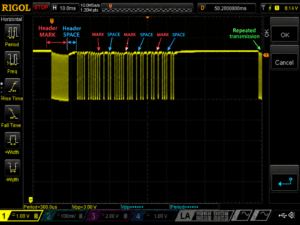
How an IR remote control works, explained from real oscilloscope measurements: carrier, MARK, SPACE, header, bit timing and NEC identification.
Un amico, tanti viaggi condivisi e un blog di reportage: Graziano racconta il mondo cercando persone, storie e luoghi fuori dai percorsi abituali.
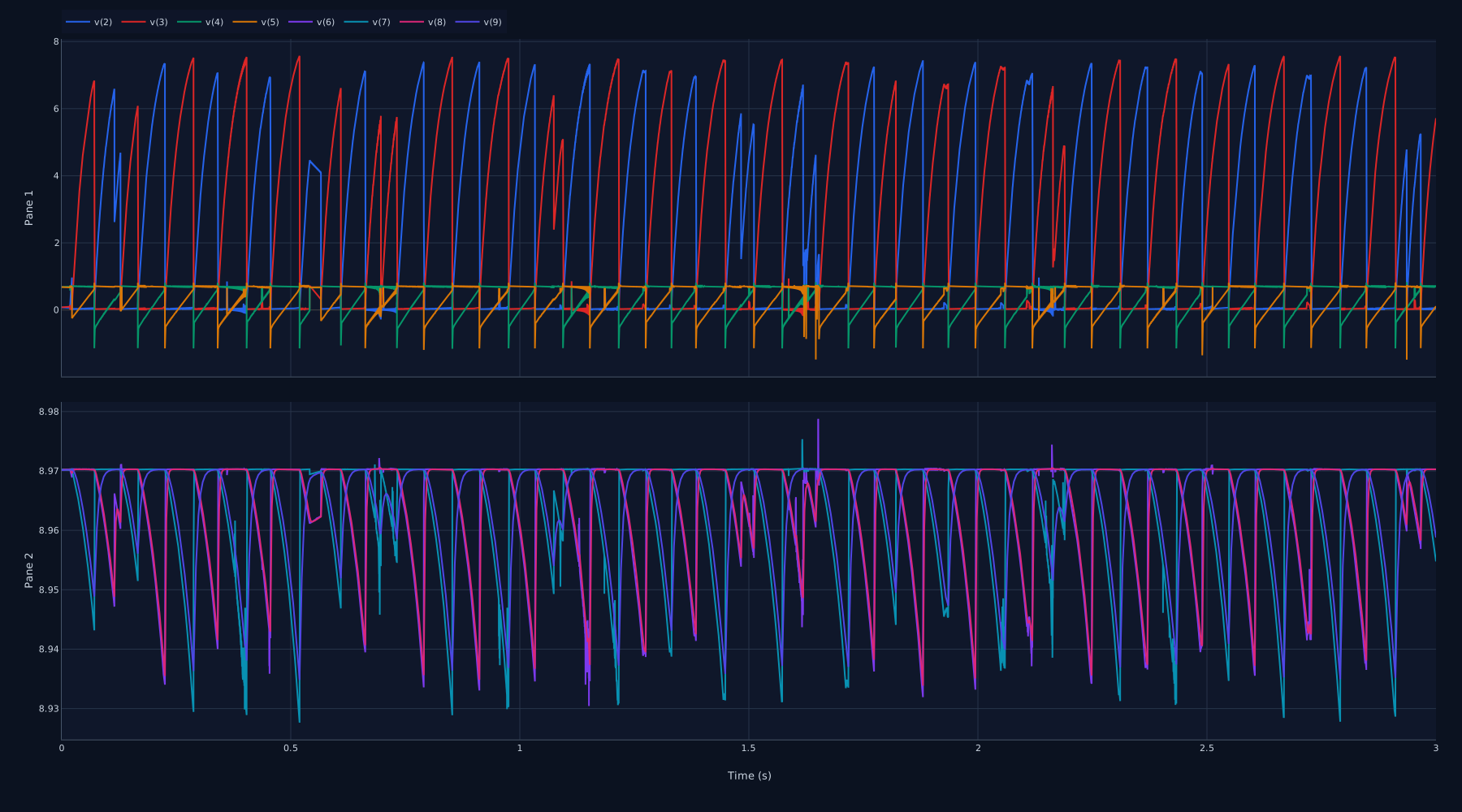
A circuit inspired by the NE555, built entirely with transistors, resistors, capacitors, and diodes, becomes a test bench for the SPICE simulator I am developing on my server.
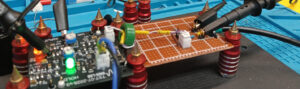
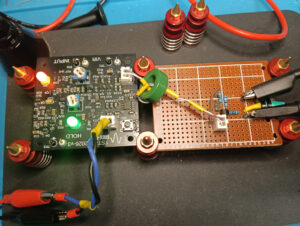
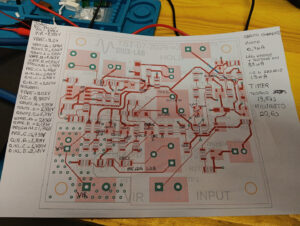
GX-TXT-v3 tests with a real photodiode and IR remote reveal the 38 kHz carrier, burst timing, and NEC-family protocol.
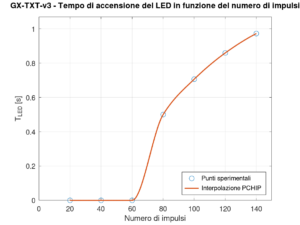
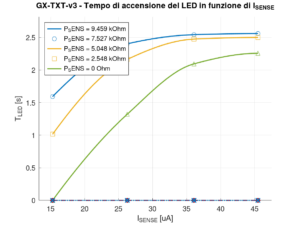
GX-TXT-v3 testing shows how pulse count affects HOLD-node charging, LED turn-on threshold, and indication time.
GX-TXT-v3 HOLD-node dynamics: burst charging, exponential discharge, LED on-time and sensitivity characterization with GNU Octave.
GX-TXT-v3 sensitivity and threshold testing, following QIN, HOLD and orange LED behavior across gain and sensitivity settings.
GX-TXT-v3 testing with a virtual photodiode: VIR measurements, preamplifier gain, probe loading and LTspice comparison.
GX-TXT-v3 DC bias measurements, current consumption and NE555 timer verification compared with LTspice simulation.
GX LII-2 reactive-load Bode tests reveal fixture limits, repeatable phase rotation, and impedance-dependent measurement effects.